

Surrogacy in US and Trump II
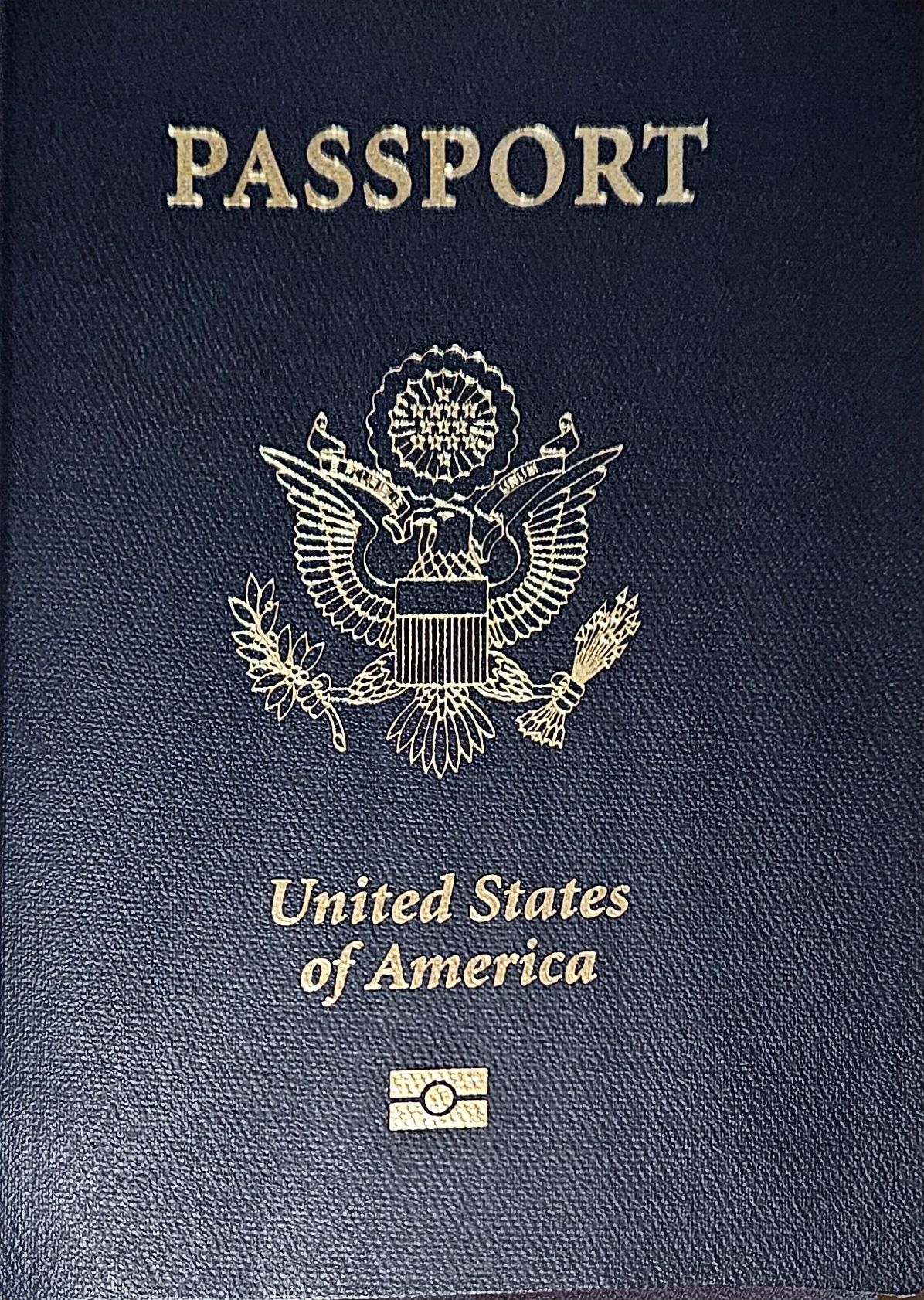
President Trump was inaugurated yesterday, 20 January 2025, for his second non-consecutive term and in a sweep of executive orders he also revoked birthright citizenship for future-born children of anyone whose parents do not have settled immigration rights, i.e. are in the US illegally or only as visitors. Does this affect children born to foreign intended parents in US surrogacy?
What does the order say?
The right of people born on US soil to US citizenship is found in the Fourteenth Amendment to the US constitution. Trump’s order seems to hang on the meaning of “subject to the jurisdiction” of the US. Trump tries to exclude two categories of persons:
“(1) when that person’s mother was unlawfully present in the United States and the person’s father was not a United States citizen or lawful permanent resident at the time of said person’s birth,” and
“(2) when that person’s mother’s presence in the United States was lawful but temporary, and the person’s father was not a United States citizen or lawful permanent resident at the time of said person’s birth.”
This would, therefore, mean that children born to parents who are in the US as visitors (as most intended parents are) are excluded from citizenship.
However, the definitions may help IPs because:
“(a) “Mother” means the immediate female biological progenitor.
(b) “Father” means the immediate male biological progenitor.”
This while the surrogate may not be the legal mother due to a pre-birth or post-birth order, she might still be classed as the mother under the order. The definition is not clear because most children born to surrogates have an egg-donor and a surrogate, thus two female progenitors. Could “immediate” refer to the surrogate and exclude the egg-donor? This would in particular be important if the foreign intended mother’s eggs are used in the surrogacy.
Will this order hold up?
The order has been made and is likely to be challenged in the courts. The US Supreme Court seems to have decided the issue as long ago as 1898 in a case called United States v. Wong Kim Ark where a man born in San Francisco to Chinese immigrants was held to be a US Citizen. The court held that “subject to the jurisdiction” excluded only those who were born to foreign rulers or diplomats, born on foreign public ships, or born to enemy forces engaged in hostile occupation of the country’s territory (as well as native tribes, which was later dealt with by legislation).
What should IPs do?
The order takes effect for births 30 days after it was made, so 19 February 2025. Some precautions are probably wise, including:
- Getting confirmation of the surrogate’s citizenship including a certified copy of her passport or other proof of citizenship;
- Including in the contract with the surrogate that she confirms her citizenship and will cooperate with any requirements by authorities to prove that so that the IPs can apply for US citizenship for the child;
- Including a similar clause in the egg-donor agreement in case “immediate female biological progenitor” is given a wider interpretation;
- Obtaining proof that the surrogate gave birth and is therefore the “immediate female biological progenitor”, such as hospital records;
- Asking the US passport office local to the place of birth in advance what evidence they may require, e.g. from the surrogate;
- Get advice from your US attorney and see if the pre- or post-birth order should be re-worded to include that for the purposes of any application for US citizenship the surrogate is declared as the “immediate female biological progenitor”.
More will be known in weeks to come. In the meantime, advice from a specialist US attorney is vital.
Posted in Children International | Tagged children International Surrogacy