

Smartphone Tracking Apps
Though your smartphone will give you immediate access to any documents, letters or emails that we send you and will inevitably save time and money, there is also the danger that it is not as secure as you think – and I’m not just talking about your passwords.
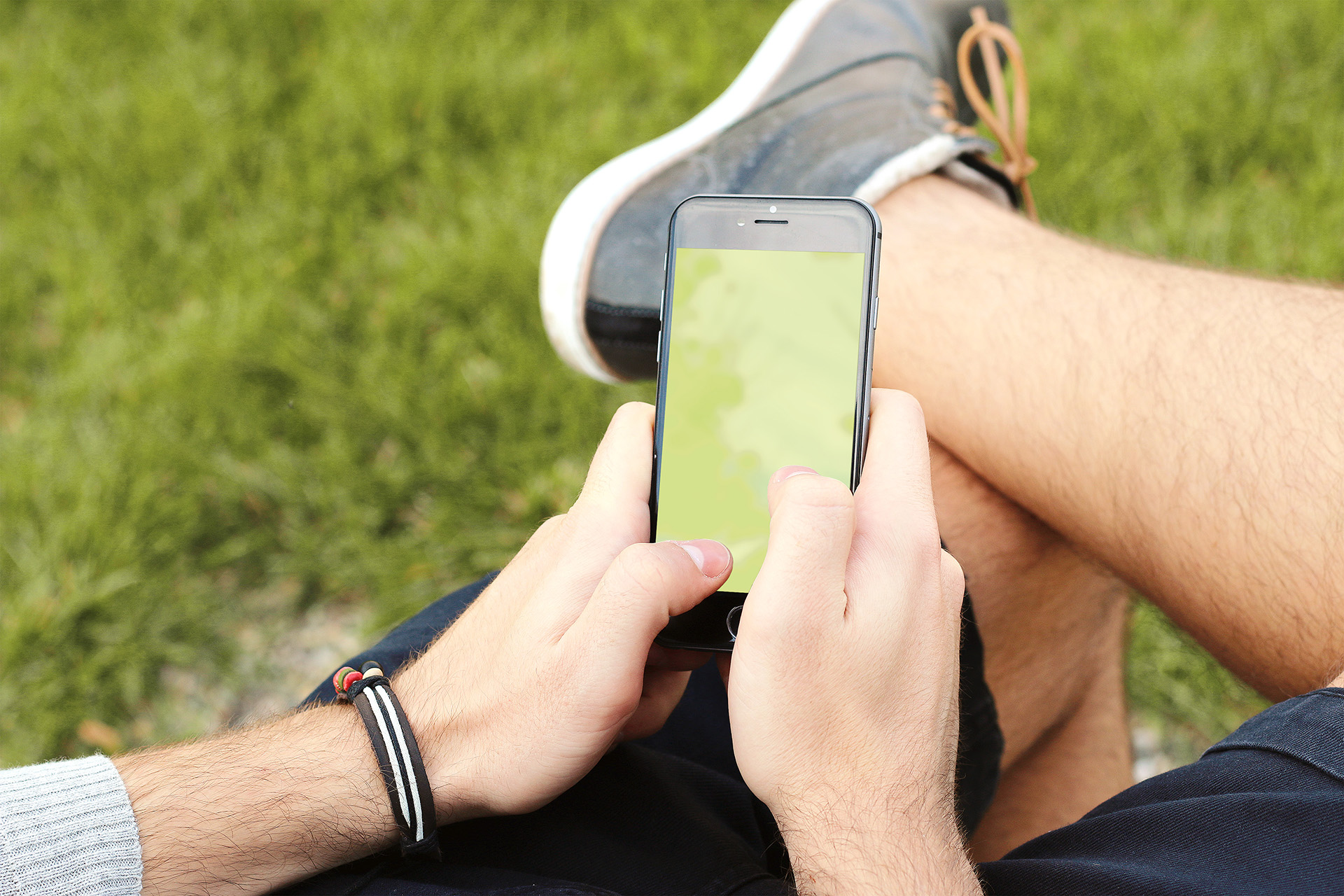 The rise in connectivity and apps has created a market for apps which are often marketed under the guise of “child safety” but can be used to track the location of the phone, access messages and emails and, in some cases, even listen in via the microphone and camera. What makes these apps dangerous is that they often still work when you think the phone is switched off and, unless you are tech savvy and aware of what should be on your phone, you may not even notice that someone has installed an app without your permission.
I recently came across a case where the former partner knew about someone’s every move and where he had spent the weekend. A tracking app on his phone was the only way that this would have been possible.
Just be aware of the apps that you have installed and of the push-notifications you receive. If you worry that an ex-partner may be tracking you via your smartphone, back up your data manually and restore it to factory settings, ensuring that you download only the apps you trust rather than a full restore like Google and Apple offer.
The best thing is never to let your partner get access to your phone in the first place and always password-protect it. If you are in doubt, special agencies can do a deep clean of your phone for you.
Tagged security splitting up stalking
Hacking
One thing often forgotten when you split up from your partner is that they know (or can easily guess) your passwords for your email, Facebook etc. They could also be stored in a cache of a shared computer. Not only could they have advance notice of your communication with your solicitor, but some could cause havoc by “fraping” you (posting things as you on your social media to ridicule or embarrass you in front of friends or family).So one of the first things you should do is to:
1. Change your passwords on all accounts. Use a secure password that cannot be guessed, is unconnected to your favourite holiday place, name, birthdates etc.
2. Clear the browser cache from saved log-in and password details.
3. If in doubt you could consider opening a new web-mail (e.g. gmail) account to use just for communications with your lawyers.
4. Password-protect your mobile phones and make sure you lock them as soon as you put them down. With most phones you can programme a side button to act as a shortcut to lock them.
I have also come across cases where in revenge a former partner destroyed files, photographs, music etc. or kept the joint devices with those things on. It is therefore a good idea to back up all your files, music and photos either on a hard drive you keep away from your home or online (with a secure password of course).
Posted in Cohabitation | Tagged revenge splitting up