

Surrogacy in US and Trump
Trump has pledged to overturn the right of children born in the US to automatic US citizenship. What does this mean for surrogacy in the US?
Trump changed the majorities in the US Supreme Court in his first term and when previously it was balanced, there is now a conservative 6:3 majority. In Dobbs v. Jackson Women’s Health Organization (2022) this led to the overturning of Rowe v Wade, the case which legalised abortion across the US. As a result there is now a hotchpotch of state laws some banning abortion outright and some which might even apply to foetuses in the lab. Intended Parents (IPs) in surrogacy journeys in the US will need to consider the state where their surrogate lives carefully to ensure that she has access to full reproductive rights in case of a miscarriage or other event when continuing the pregnancy is not the preferred option of all involved.
Before his re-election Trump pledged to overturn the US constitutional right of children born on US soil to US citizenship. This is not expected to be retrospective and could simply be done by presidential decree or a new law which restricts the birthright to children born on US soil where at least one parent is a US citizen or legally resident in the US.
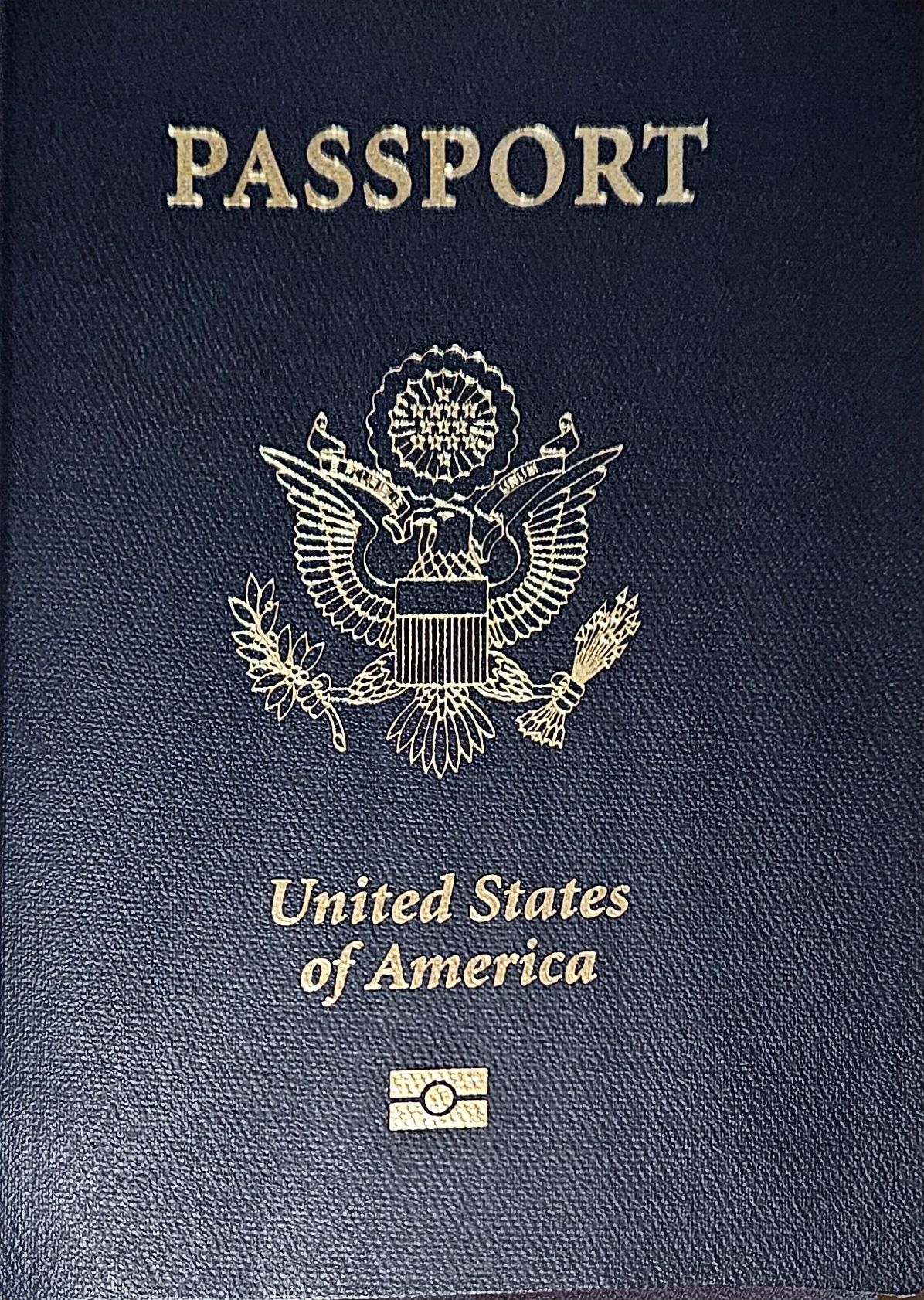
This would probably also affect international surrogacy journeys in the US because in most states the IPs are the legal parents from birth, whether through a pre-birth or post-birth order. Many IPs currently rely on their child born in the US through surrogacy being able to get a US passport swiftly and travel home with it before taking sometimes a long legal journey to sort out their parental status and therefore the child’s citizenship by descent back home. In the UK this is by way of a parental order.
While the new law is not expected to apply retroactively, it could come in just before transfer or even while the surrogate is already pregnant and apply to the newborn.
If you have started your surrogacy journey in the US, this could apply to you. I suggest all foreign IPs should get advice from immigration solicitors back home to ensure they don’t get stuck in the US with neither the US nor their country’s authorities giving the child a passport (at all or soon).
As far as I understand, UK citizen IPs can get travel documents although parentage is not recognised in family law but the application is sent back to the UK and it can take weeks or months before the child gets British a passport. This could mean the family will have to stay in the US, adding to their overall costs. It would help if the surrogate was unmarried because then at least there is legal parentage through a genetic father (and the surrogate’s spouse is not automatically the second parent). British IPs could also consider any new law carefully and see if it applies to them or if they could apply for a type of visa to the US which would give their child US citizenship automatically (rather than travel on the visa waiver programme) if they are entitled to it.
While any such law might be unconstitutional, this is ultimately a matter for the courts and the US Supreme Court. Legal arguments do not help IPs who are told by the US Passport Agency that they cannot get a US passport for their newborn. So unless the courts suspend the new law pending a constitutional challenge, this could take years to sort out and meanwhile many new families could spend an unwelcome costly few months in the US waiting for a British (or other) passport.
Posted in Children | Tagged children International Surrogacy